I've been a Highly Sensitive Person (HSP) for exactly as long as I've been a person, and a therapist for a notably shorter time. And somewhere in that overlap, I keep running into the same idea, that sensitivity is mostly a liability. A softer nervous system. One more thing to manage.
I now know that’s not true. But, boy, did it take me a while to get here. The truth is, sensitivity isn't just something to protect against, it's a capacity with a beautifully wide range. And the conditions someone is standing in seem to have a lot to do with which parts of that range you end up seeing. Put a highly sensitive person somewhere hard and they'll probably feel it more. But put that same person somewhere good, and something interesting happens… Sometimes they end up flourishing more than anyone expected, themselves included. That's the part I think gets skipped the most, so I want to make the case for it.
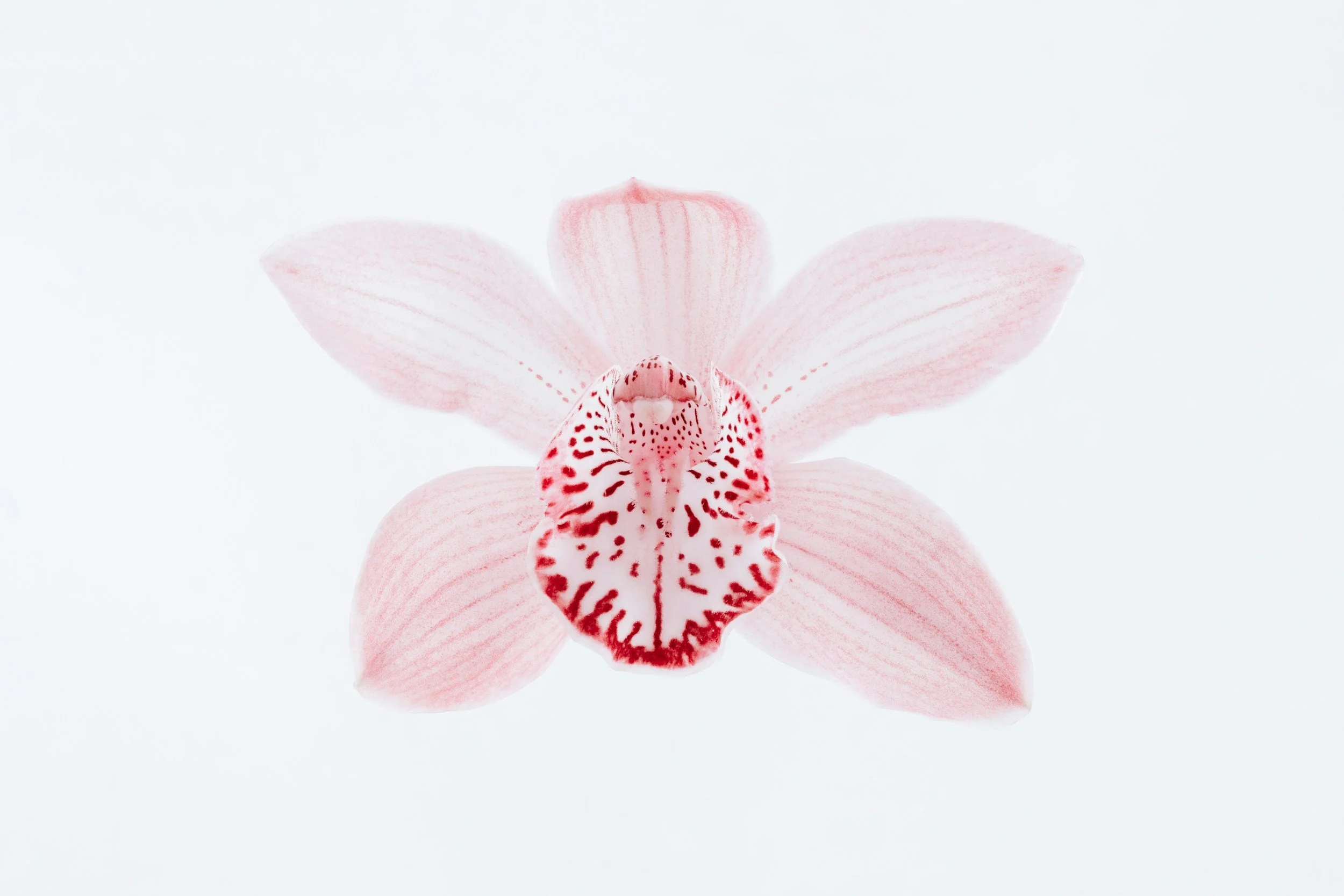
The trait behind the term HSP is called Sensory Processing Sensitivity, or SPS. It's not a diagnosis, and it isn't generally understood as something that develops because life has been hard. Think of it more as a temperament (with biological roots) that affects to what degree someone processes what's going on around them. Some nervous systems just take in and respond to more of the world around them than others. And sensitivity also lives on a spectrum, because, of course it does.
Sensitivity gets confused or conflated with trauma a lot, like "I'm an HSP" and "I have unprocessed history" are two ways of saying the same thing. But they’re not. Trauma can make someone more watchful, reactive, and quicker to overwhelm. That's a different mechanism than SPS. Sensitivity is closer to the soil something lands on than the wound itself. A highly sensitive person can absolutely have trauma, and their sensitivity might influence how hard it hits, but SPS itself isn't generally understood as something trauma creates.
I see this mix-up in my therapy sessions. Someone misnames painful unprocessed history as "I'm just sensitive," which makes it easier to wave off. Or a response connected to trauma gets dismissed as being "too sensitive," by other people or by themselves. Neither one quite gets at what's happening, and untangling it is often the work.
orchids & dandelions
Decades ago, paediatrician and researcher Dr. W. Thomas Boyce started studying why some kids seemed so much more affected by their environment than others. In work with developmental psychologist Bruce Ellis, he looked at the way some children seemed relatively steady across very different environments, while others were much more responsive to what was happening around them. Boyce would later describe the steadier kids as dandelions and the more environmentally responsive ones as orchids.
The dandelion kids tended to be relatively steady across both stressful and supportive environments, but the orchid kids were a different story. Under stress, they struggled more. But under calm, attuned conditions, that same responsiveness could flip into an advantage. In some studies, the more reactive kids also seemed to benefit disproportionately when the environment around them became meaningfully positive.
And that’s the piece I think deserves way more attention. Orchid kids aren't just more vulnerable, they're more responsive, period! The same trait that can make a hard environment harder can also make a good one better, sometimes by a lot. Researchers call this differential susceptibility, or "for better and for worse," and it's a pretty different claim than "sensitive people are fragile." It's closer to: Sensitive people may have a wider range, and their environment influences a whole lot in determining which parts of that range get expressed.
SPS and Boyce's orchid idea aren't quite the same thing, but they point in a similar direction. Being highly responsive to your environment isn't automatically a weakness or a symptom or proof that something went wrong. Instead, it's a trait with an upside, and it's easy to miss if you're mostly looking for what might go wrong with it.
Also important: none of this means an orchid with a hard history is permanently defined by the worst conditions they've been in. That’s one of the more hopeful implications of this research. The sensitive nervous system that took in more of what was difficult can also take in more of what is supportive, steady, safe, interesting, nourishing... whatever word fits. Sometimes the work isn't becoming less sensitive at all. It's figuring out what conditions that sensitivity actually does well in, which, as it turns out, is a lot of what therapy is for.
Which leaves me with a different question than the one sensitive people usually get asked: what kind of soil am I standing in right now, and is it the kind I could actually grow in?
*******
The orchid and dandelion metaphor comes from the work of paediatrician and researcher Dr. W. Thomas Boyce and developmental psychologist Bruce J. Ellis on biological sensitivity to context. The term Highly Sensitive Person and the concept of Sensory Processing Sensitivity come from the work of psychologist Dr. Elaine Aron and colleagues.
If you want to go further, here's where to start:
Watch
The Orchid and the Dandelion | Thomas Boyce | TEDxPaloAlto — https://youtu.be/g_vcWB43W7Y
Read
The Orchid and the Dandelion: Why Some Children Struggle and How All Can Thrive by Dr. W. Thomas Boyce
The Highly Sensitive Person by Dr. Elaine Aron
For Better and For Worse: Differential Susceptibility to Environmental Influences by Jay Belsky and Michael Pluess
